Business • Sep 23, 2026 • by Digital Dynasty • 6 views
Nigeria's Cashless Shift: What It Means for Vendors Getting Paid
Digital payments now hit 82% penetration in Nigeria, but new transfer fees are changing the game. Here's what vendors need to know about getting paid safely.
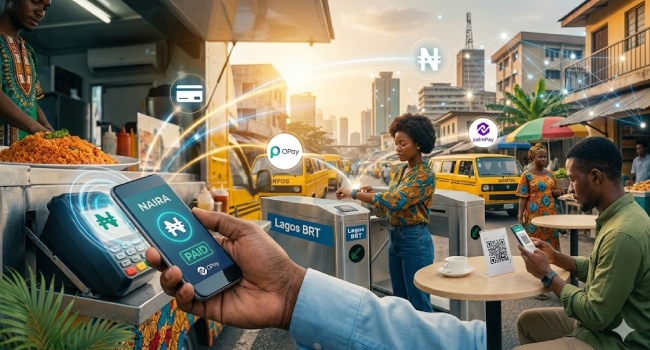
Nigeria has quietly crossed a major threshold, digital payment penetration among adults has hit an all-time high of 82%, according to the CBN's latest financial inclusion data. For vendors, this is good news but 2026 has also brought a change that directly affects how much of every sale actually reaches your pocket.
~ The New Transfer Fee Reality
From January 2026, senders now pay a stamp duty of ₦75–₦100 on transfers of ₦10,000 or more, on top of existing charges. The shift moves the cost from the person receiving money to the person sending it,?meaning customers now feel the fee, not vendors. For platforms like OPay and PalmPay that built their popularity on cheap transfers, this narrows what made them attractive, but it doesn't eliminate the advantage of speed and convenience they still offer.
~ POS Is Now Core Infrastructure, Not a Side Option
Deployed POS terminals in Nigeria have crossed 8 million, processing over ₦10.5 trillion in transactions in a single quarter. For a vendor, this means a POS terminal isn't a "nice to have" anymore, it's often the fastest way to get paid in person without waiting on a bank transfer to clear.
~ Which Platform Fits Your Business?
Not every fintech tool is built the same way:
•High-volume retail/POS businesses are generally best served by Moniepoint, which combines POS hardware with business banking and inventory tools
•Online-first or service businesses often do better with Paystack or Flutterwave for accepting card and online payments directly
•Lower-volume or digital service sellers may prefer Kuda for simple, low-fee digital banking
~ Contactless and QR Payments Are Growing
Beyond transfers, tap-to-pay and QR-based payments are expanding in urban retail environments, offering faster checkout with fewer failed transactions. Vendors with a physical stall or shop, this is worth watching, it's becoming a visible signal of a modern, trustworthy business.
~ What Vendors Should Do
•Don't rely on a single payment method, offer transfer, POS, and a digital link where possible
•Factor new transfer fees into customer communication so there's no confusion at checkout
•If your transaction volume is growing, a proper business account (not a personal wallet) protects you and looks more credible to customers
A vendor who accepts payments professionally, and is listed somewhere buyers can verify who they are like Adaorable.com builds far more trust than one operating purely on personal WhatsApp transfers.
Nigeria's payment infrastructure is maturing fast. Vendors who adapt to new fee structures and diversify how they get paid will lose less money to friction than those still running everything through one channel.
~ The New Transfer Fee Reality
From January 2026, senders now pay a stamp duty of ₦75–₦100 on transfers of ₦10,000 or more, on top of existing charges. The shift moves the cost from the person receiving money to the person sending it,?meaning customers now feel the fee, not vendors. For platforms like OPay and PalmPay that built their popularity on cheap transfers, this narrows what made them attractive, but it doesn't eliminate the advantage of speed and convenience they still offer.
~ POS Is Now Core Infrastructure, Not a Side Option
Deployed POS terminals in Nigeria have crossed 8 million, processing over ₦10.5 trillion in transactions in a single quarter. For a vendor, this means a POS terminal isn't a "nice to have" anymore, it's often the fastest way to get paid in person without waiting on a bank transfer to clear.
~ Which Platform Fits Your Business?
Not every fintech tool is built the same way:
•High-volume retail/POS businesses are generally best served by Moniepoint, which combines POS hardware with business banking and inventory tools
•Online-first or service businesses often do better with Paystack or Flutterwave for accepting card and online payments directly
•Lower-volume or digital service sellers may prefer Kuda for simple, low-fee digital banking
~ Contactless and QR Payments Are Growing
Beyond transfers, tap-to-pay and QR-based payments are expanding in urban retail environments, offering faster checkout with fewer failed transactions. Vendors with a physical stall or shop, this is worth watching, it's becoming a visible signal of a modern, trustworthy business.
~ What Vendors Should Do
•Don't rely on a single payment method, offer transfer, POS, and a digital link where possible
•Factor new transfer fees into customer communication so there's no confusion at checkout
•If your transaction volume is growing, a proper business account (not a personal wallet) protects you and looks more credible to customers
A vendor who accepts payments professionally, and is listed somewhere buyers can verify who they are like Adaorable.com builds far more trust than one operating purely on personal WhatsApp transfers.
Nigeria's payment infrastructure is maturing fast. Vendors who adapt to new fee structures and diversify how they get paid will lose less money to friction than those still running everything through one channel.
Comments (0)