Business • Sep 23, 2026 • by Digital Dynasty • 34 views
Why Delivery Problems Are Killing Nigerian Online Sales (And How to Fix Them)
Logistics costs in Nigeria can eat up to 70% of product prices. Here's why last-mile delivery is the biggest hidden threat to your online sales and how smart sellers are working around it.
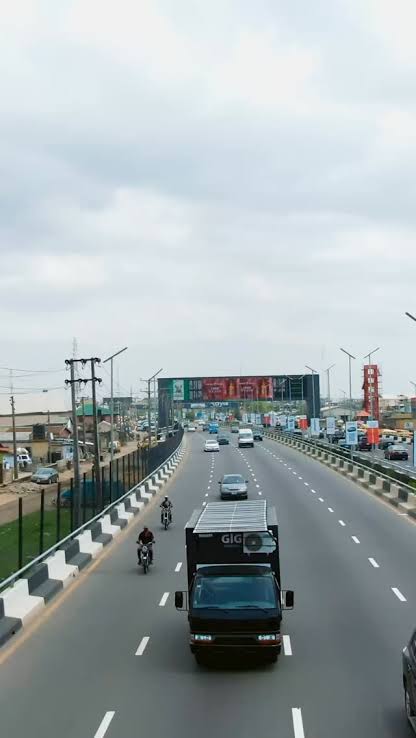
You can have the best product, the best price, and the best WhatsApp pitch in Lagos and still lose the sale at the final mile. Delivery is quietly the biggest threat to online selling in Nigeria today, and most sellers don't realize how much it's costing them until customers stop coming back.
~ The Numbers Are Brutal
Logistics costs in Nigeria are among the highest in the world, in some cases accounting for up to 70% of a product's final price. That's not a small inefficiency, it's a structural problem baked into how goods move in the country, driven by poor road infrastructure, security risks in transit, and a heavily fragmented delivery industry with little standardization.
~ Why "Nationwide Delivery" Often Fails Locally
Many sellers assume a big-name logistics company automatically means reliable delivery everywhere. In practice, large couriers with national coverage often struggle precisely at the last mile in secondary cities and states; the exact moment that determines whether a customer becomes a repeat buyer or a one-time tryer.
Sellers in cities like Warri and Port Harcourt increasingly report better results using smaller, local logistics partners who know specific streets and neighborhoods, rather than a nationwide provider stretched thin.
~ Cash-on-Delivery Is Still a Double-Edged Sword
Despite the growth of digital payments, Nigeria's economy remains heavily cash-based compared to peers like Kenya, where mobile money dominates. This keeps cash-on-delivery (COD) essential for converting hesitant buyers but COD also comes with real risk: failed deliveries, refused packages, and riders who aren't accountable when something goes wrong. Sellers who reduce COD losses tend to do it through smaller, accountable local riders rather than anonymous nationwide fleets.
~ Where the Industry Is Headed
There are real signs of improvement. Logistics platforms are investing in GPS tracking, real-time delivery updates, and proof-of-delivery systems that reduce disputes between sellers and customers.
B2B logistics-and-finance platforms are also emerging to help distributors and informal retailers move goods more efficiently across fragmented supply chains. None of this fixes the problem overnight but it does mean sellers now have more tools to reduce losses than they did even two years ago.
~ Practical Takeaways for Vendors
•Don't assume "nationwide" delivery means reliable delivery in your customer's specific area, ask other local sellers what actually works there
•For high-failure zones, a smaller local courier with rider accountability often outperforms a big brand name
•Always get proof-of-delivery (photo, signature, or tracking confirmation) to protect yourself in disputes
•Factor real delivery costs into your pricing upfront rather than absorbing losses quietly
This is also where having a credible online listing matters more than people expect, buyers are far more forgiving of delivery hiccups when they can see your business is verified, reviewed, and established on a platform like Adaorable.com, rather than a one-off Instagram page with no track record.
In Nigeria, winning online sales isn't just visibility; it's about who can actually get the package to the door. Sellers who solve for delivery reliability, not just marketing, are the ones building repeat customers.

Comments (0)